Reverse engineering of mechanical parts: how can I find a problem in an existing part, or get a correct 3D plan of an existing part?
In modern manufacturing, reverse engineering plays a crucial role. This technique, which makes it possible to reproduce mechanical parts accurately, leads to improved quality control and precise measurements. Here we look more closely at how reverse engineering is transforming the industry.
What is reverse engineering?
Reverse engineering is the process in which an existing mechanical part is dismantled and analysed to find out the original design characteristics. This is done by measuring and digital drawing.
Measuring up: the first step
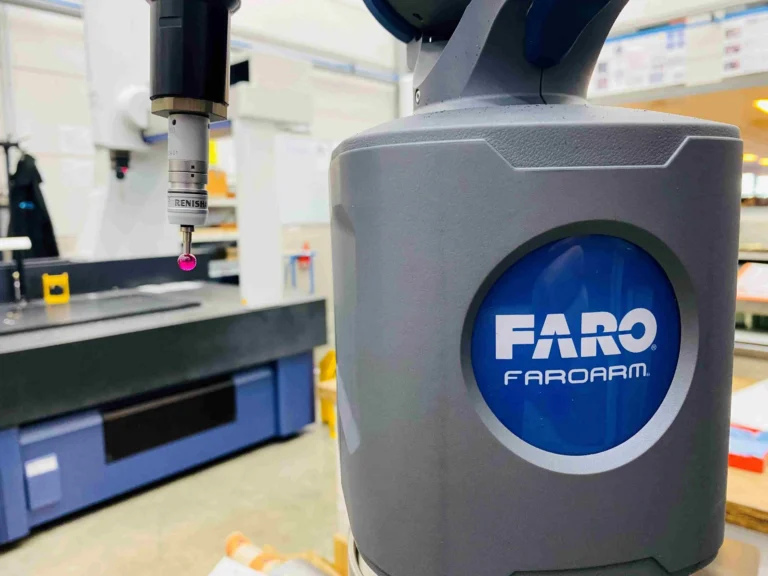
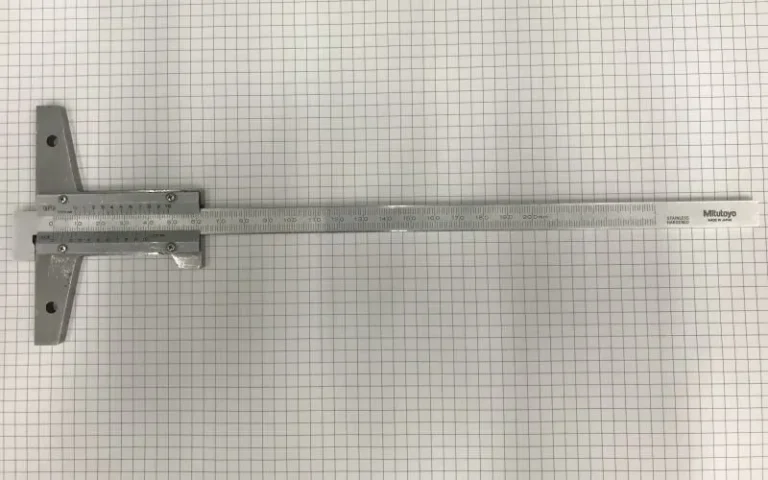
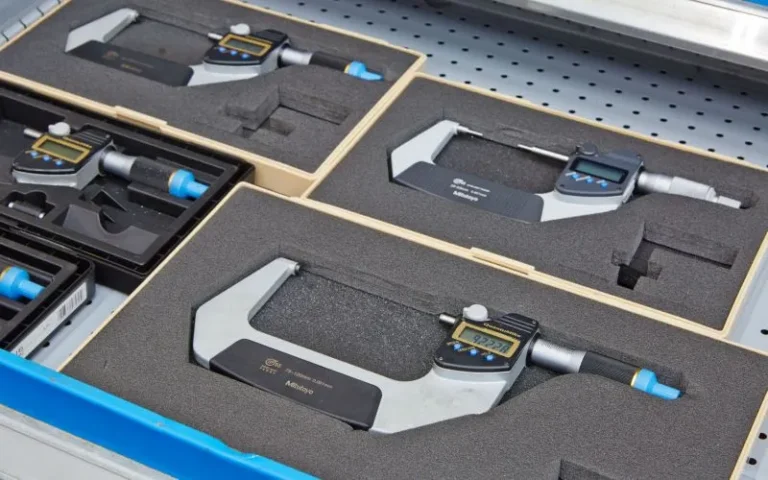
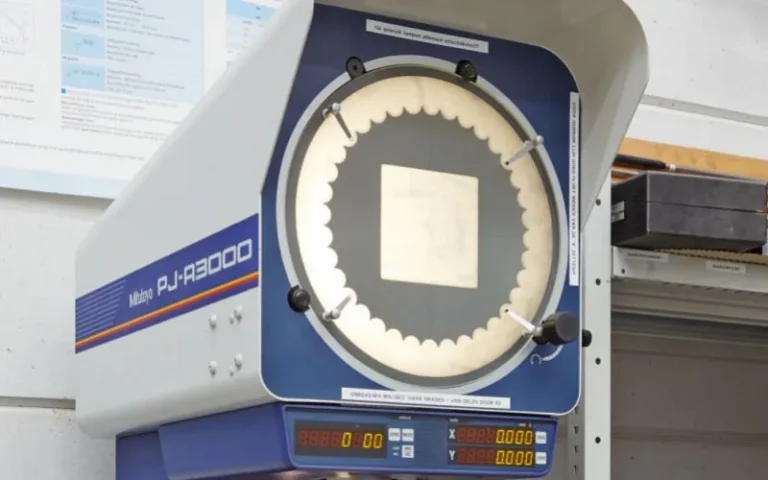
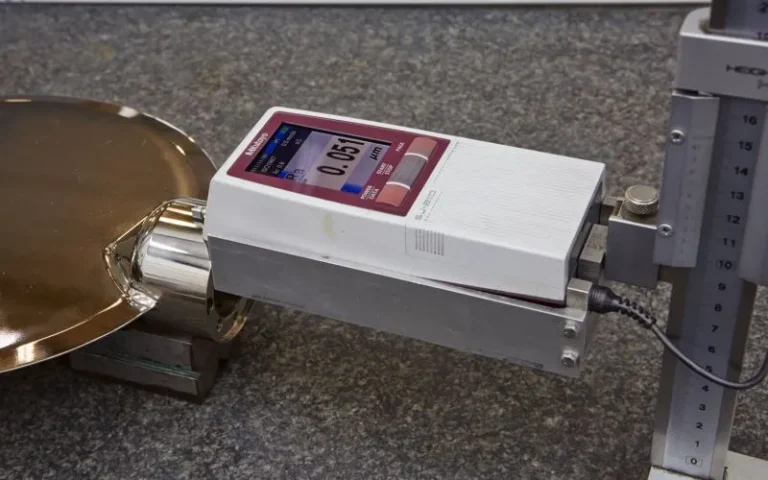
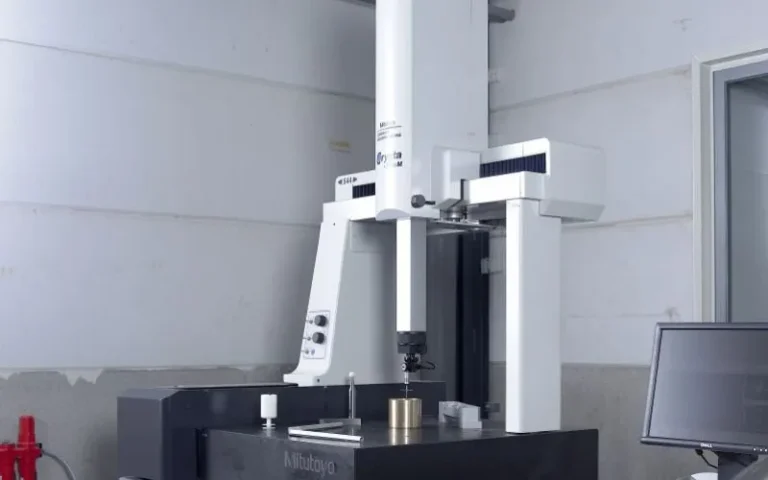
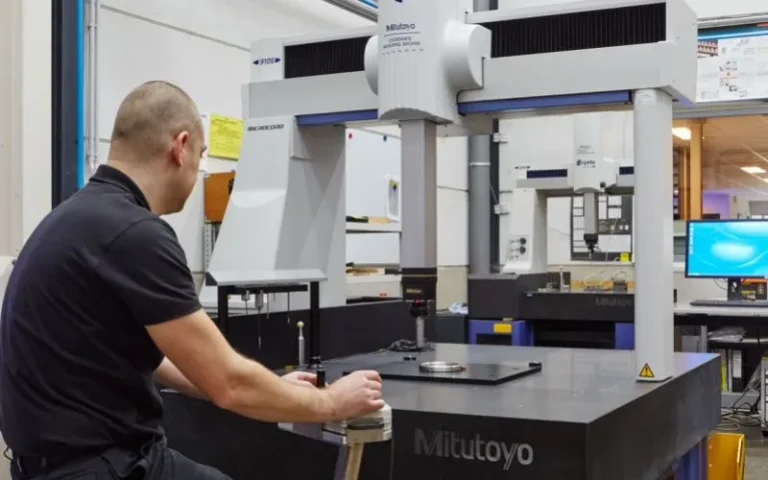
The success of reverse engineering depends largely on accurate measurements. These measurements are carried out with advanced measuring equipment such as 3D scanners, coordinate measuring machines (CMMs) and measuring arms. By recording every dimension of the part accurately, we at Diametal can create a detailed 3D model that serves as the basis for further analysis. This can then be adapted to new needs and/or produced.
Quality control: a crucial role
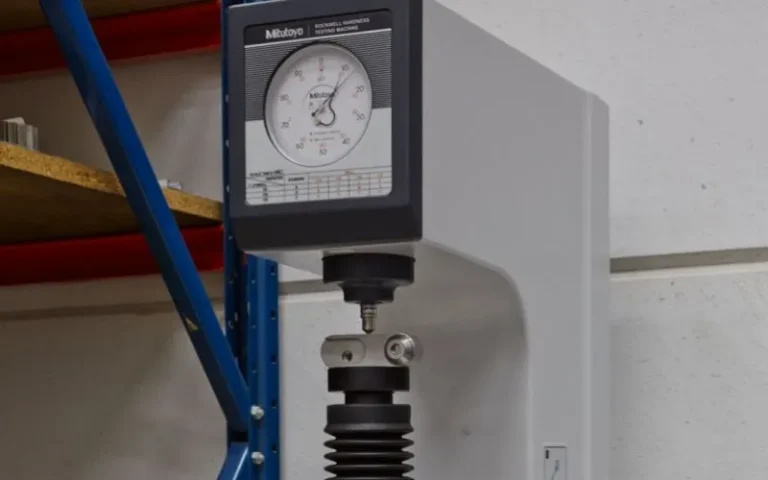
After the measurements, quality control comes into play. Quality control is essential to ensure that the reconstructed part meets the original specifications and performance criteria. During this process the measured data are compared with the design requirements. Any deviations are identified and corrected to ensure that the end product is of high quality.
Practical applications
Reverse engineering is widely used in various sectors, from aerospace to the automotive industry. It helps companies reproduce obsolete parts for which design drawings are no longer available. It also allows companies to analyse competing products and improve their own designs.
Advantages of accurate measurements
Accurate measurements are not only crucial for creating exact replicas, but also for improving existing products. By carrying out detailed measurements, engineers can identify weak points in the design and make improvements, which ultimately leads to better product performance and durability.
Quality control: an ongoing process
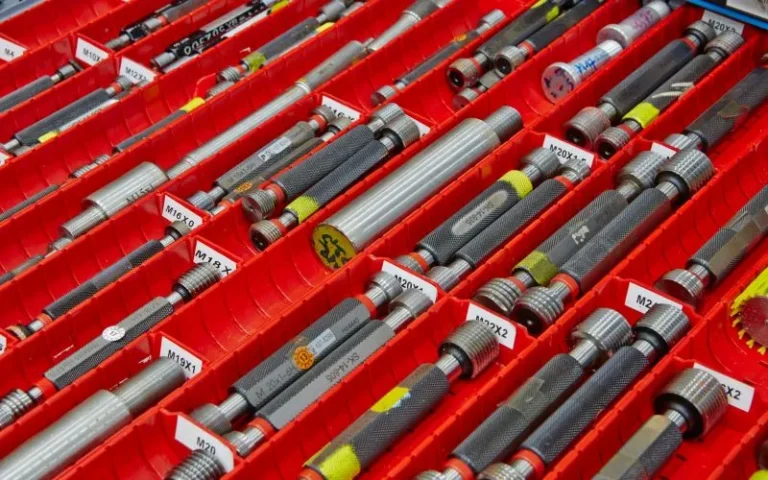
Quality control does not stop after the first production cycle. It is an ongoing process that ensures every part produced remains consistently of high quality. Regular measurements and checks help maintain production standards and minimise defects.
Conclusion
Reverse engineering, supported by accurate measurements and strict quality control, is a game changer in the manufacturing industry. It gives companies the ability to reproduce, improve and innovate existing designs.