Look no further for a CNC milling expert: Diametal in Herentals offers exactly what you need for your milling work.
Thanks to our high-tech machines we can machine and CNC mill very complex parts. Besides the CNC milling itself, we are happy to help you determine the correct tolerances and/or material, and we think along with you to make your part to the right specifications at the lowest cost.
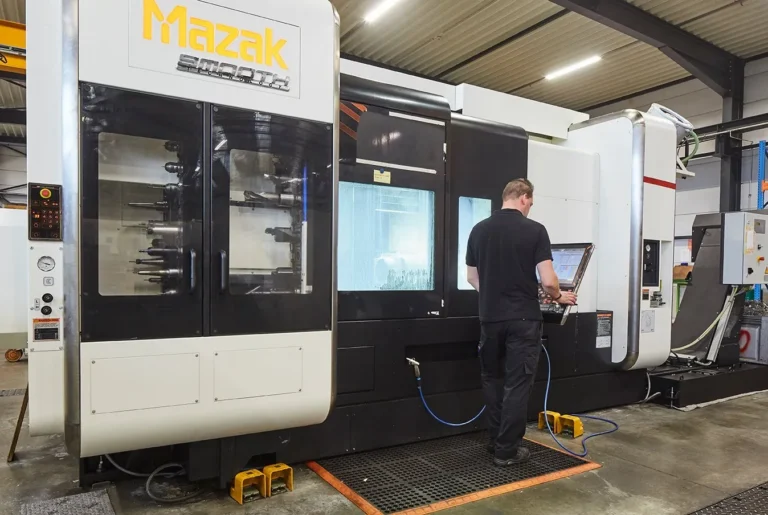
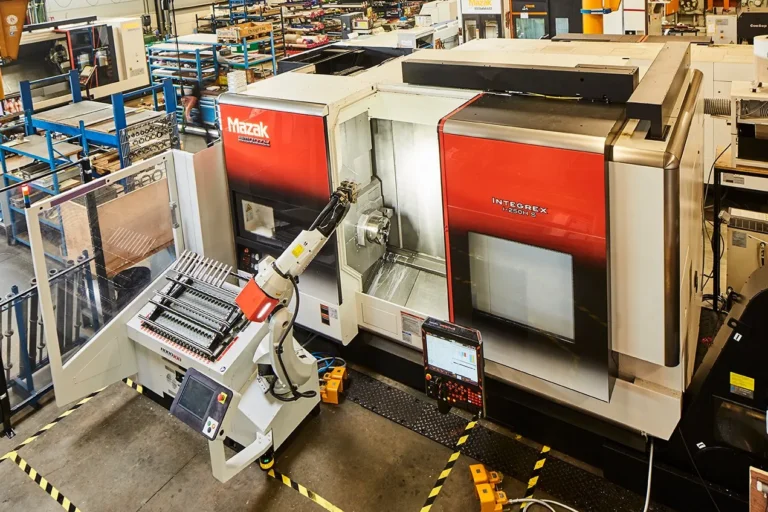
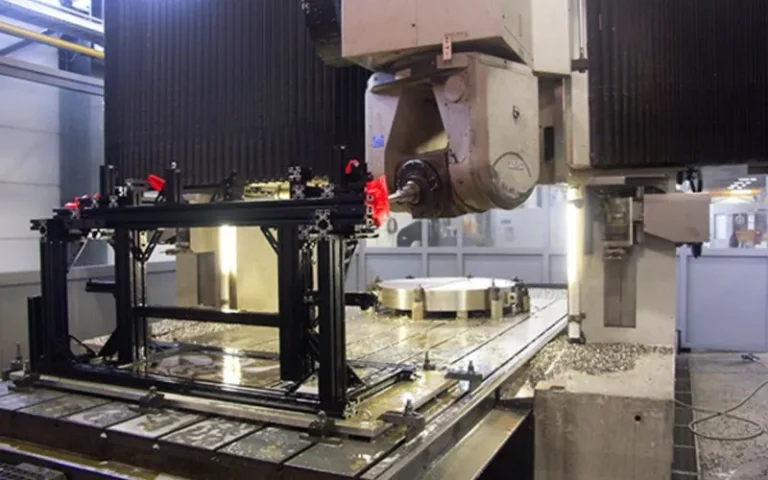
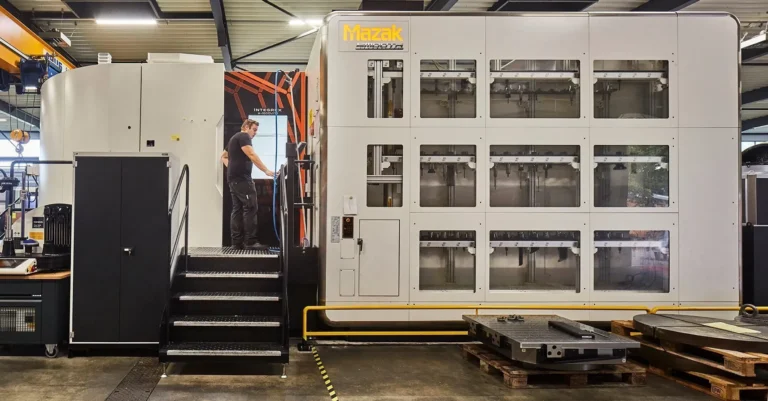
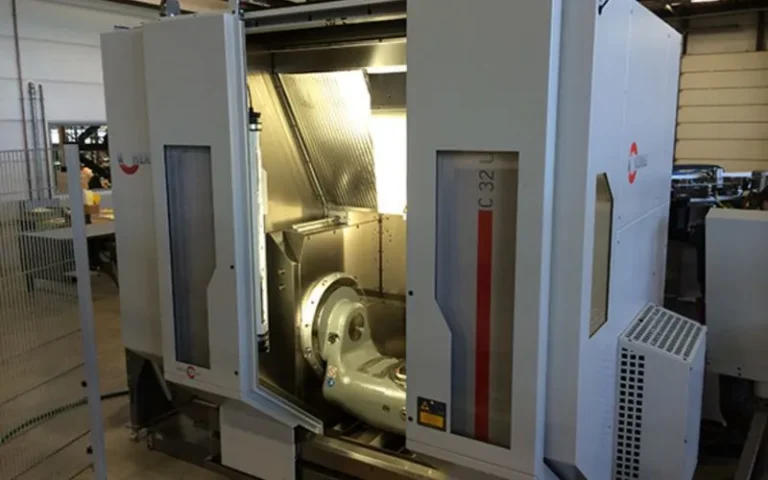
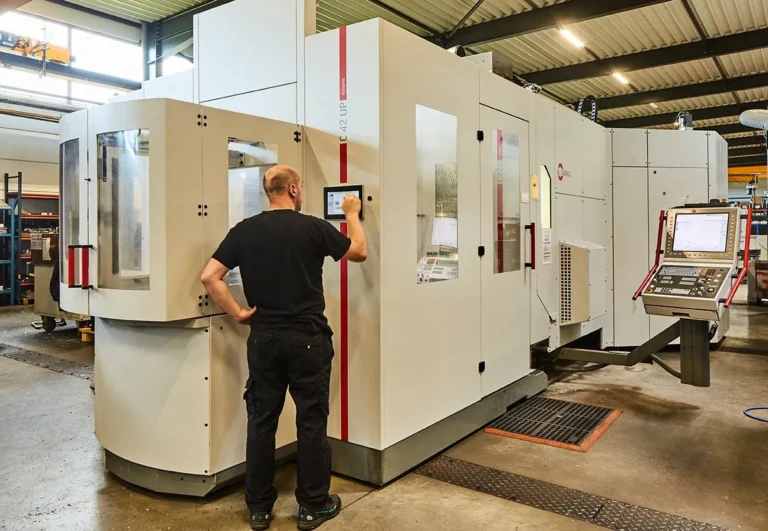
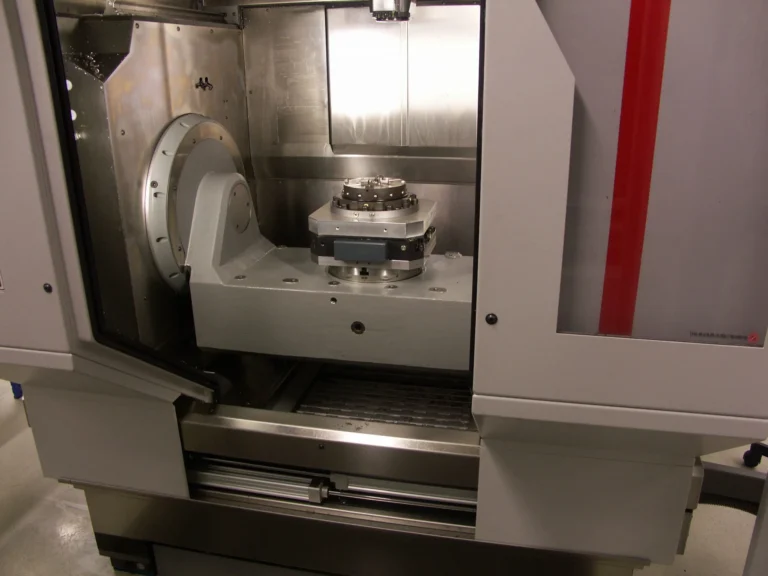
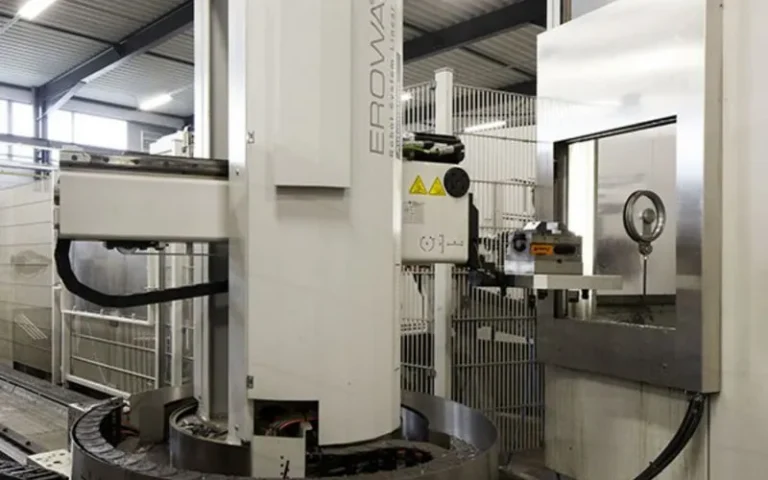
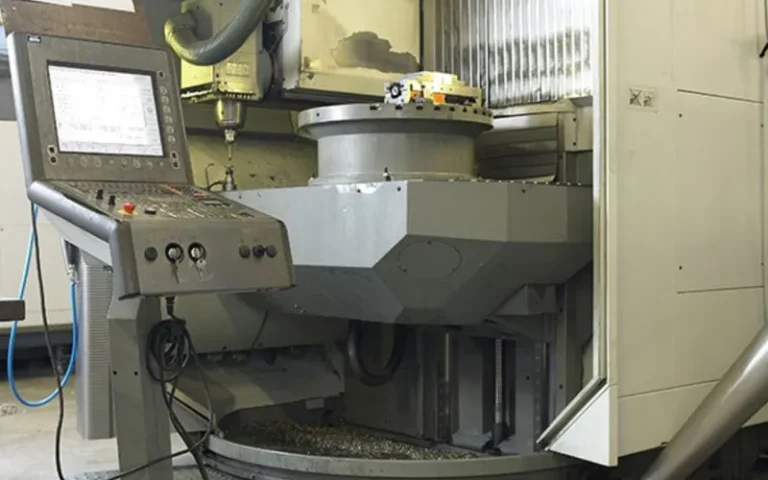
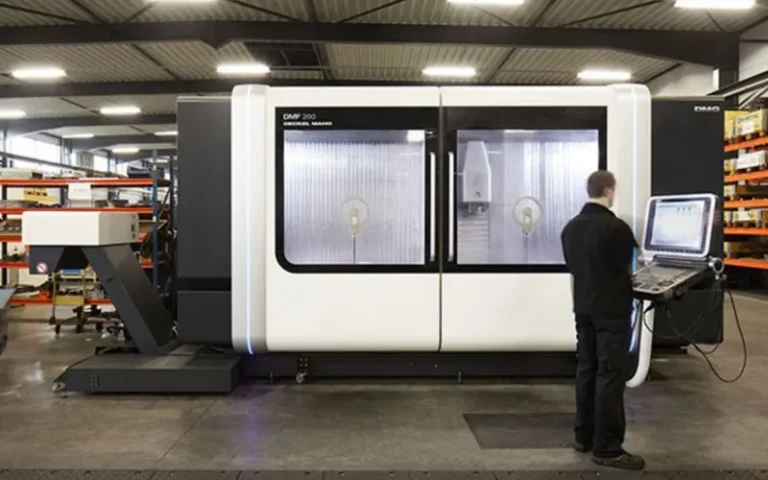
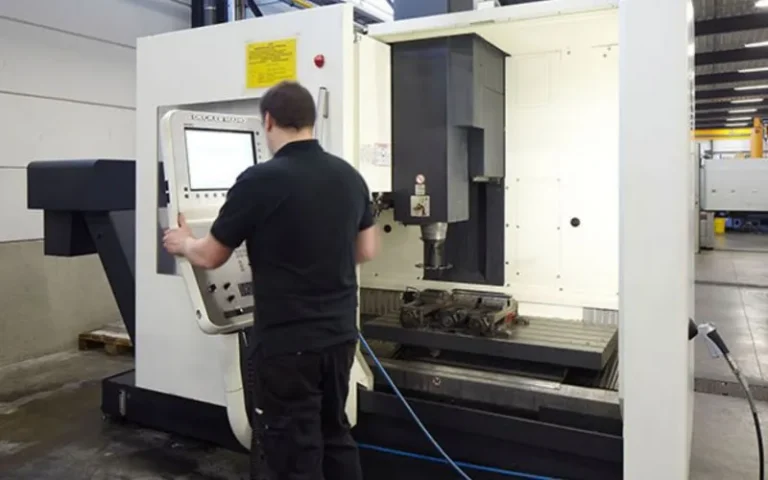
At Diametal you can turn to us for any CNC milling job. Even for extremely complex parts and operations to the highest specifications, we do not back down. We have eleven CNC milling machines with a maximum milling range in one clamping of 4,000 x 2,300 x 1,000 millimetres, of which five-axis up to a diameter of 2,300 millimetres. Our CNC milling is also very efficient because we also have smaller milling machines for smaller parts in our factory in Herentals. Series production is welcome too. For this we use a robot installation that can operate several machines and so machines your material efficiently. Diametal always works with the optimal machine to carry out your operations, for a precise and economical result.
Our company in Herentals has experience in CNC milling a wide range of materials. We have these materials and many more in stock, so we can mill your parts quickly.
Not sure which specifications or material your CNC milling work must meet? Feel free to get in touch and our motivated staff will gladly help you and answer all your questions!
High cutting speeds, tight surface quality.
For medical and food applications.
Machined hardened, or afterwards spark eroded and ground.
Adapted cutting data and high-pressure cooling.
For electrical and thermal applications.
POM, PEEK, PA, machined stress-free.
Milling in its various (conventional) forms has existed for more than 100 years. What we now call CNC milling emerged with the rise of the PC. When PCs became powerful and affordable, machine manufacturers quickly began making their controls “Numeric Control” so they could later integrate them into PCs and make them truly “Computer Numeric Control”, or CNC. Programs were then written with numerical codes (the so-called G and N codes), which was fairly complex until the first conversational controls were developed that brought these codes into a manageable form, making programming and CNC milling of parts easier. Currently there are 4 major controls (including programming languages) with which machine manufacturers can equip their CNC milling machines: Fanuc, Siemens, Heidenhain and Mitsubishi. Some machine manufacturers have written their own conversational control on top of these controls to make CNC milling even more user-friendly, e.g. Mazak on the Mitsubishi control. CNC milling was born. Over the many years the controls have evolved strongly and become more user-friendly, but they remain a manual process suited to straightforward parts. For CNC milling, Diametal mainly works with the Heidenhain control. Mill-turning is done on Mazak machines with the Smooth control.
Parts were originally drawn on paper, so there was no link between the drawing and the CNC milling itself. The first Computer Aided Design (CAD) programs focused on 2D, or flat drawings, where the DXF and DWG formats are still important today. Only with the rise of powerful PCs did 3D CAD models become possible, making it possible to link CNC milling, which is in fact always a 3-dimensional operation, to a CAD drawing. Whereas programming parts for CNC milling was always done through a keyboard and a small monochrome screen on the CNC milling machine itself, it was not long before PC programs were made that could also program, but directly on the drawing itself. Computer Aided Manufacturing, or CAM, CNC milling was born. This was initially held back strongly by the limited computing power of the PCs and of the computer in the machines themselves. A manual CNC milling program of a few hundred lines is already an extensive program. A CAM easily generates programs with a thousand times as many lines, so the processing power of the computer in the older machines fell short.
In the meantime parts became ever more complex, also because the new CAD programs (and ever more powerful PCs) made it possible to draw them in such complexity. Draughtsmen, who used to be experienced employees coming from production, were increasingly replaced by computer-savvy younger employees with little experience of what is and is not possible in CNC milling. This new generation of draughtsmen drew parts more complex and with stricter dimensioning than sometimes necessary, making parts that were already becoming more complex even harder to produce. Because ever more complex parts had to be programmed on powerful PCs, CNC milling machines could not lag behind. An important consequence was the emergence of the 5-axis fully continuous milling machine, which, combined with powerful CAD CAM software, catapulted the possibilities of CNC milling. The advantages were enormous. Complex parts with free-form shapes could now be CNC milled in 1 or at most 2 clampings. It did take many years to perfect these CNC milling machines and software, often hampered by the poor link between the software and the CNC milling machine, called the postprocessor.
For CNC milling, Diametal can convert the most common CAD files into programmable files. We use Solidworks ourselves for CAD and also have Siemens NX and Fusion 360. For CAM we use HSM, Fusion 360, Siemens NC and Esprit
• Avoid sharp inside corners, they cannot be milled.
• Provide radii between surfaces.
• Be realistic with the Ra value: Ra 3.2 is already nicely milled, Ra 0.8 is still achievable under normal conditions, Ra 0.2 is the extreme that can be reached, at a not so affordable price.
• Tolerances at the 0.01 level are really tight.
• Avoid deep holes of more than 10x the diameter.
That differs per machine. Send us your STEP file and we will immediately look at which machine will mill your part most efficiently.
Yes. Prototypes and single pieces run on the same machines as series production, with the same inspection and the same measurement report.
Yes, on our mill-turn machines. Both operations in one cycle means fewer clampings and a shorter lead time.
A STEP file or technical drawing with tolerances, the quantity and the desired lead time. We are also happy to advise on material choice.